

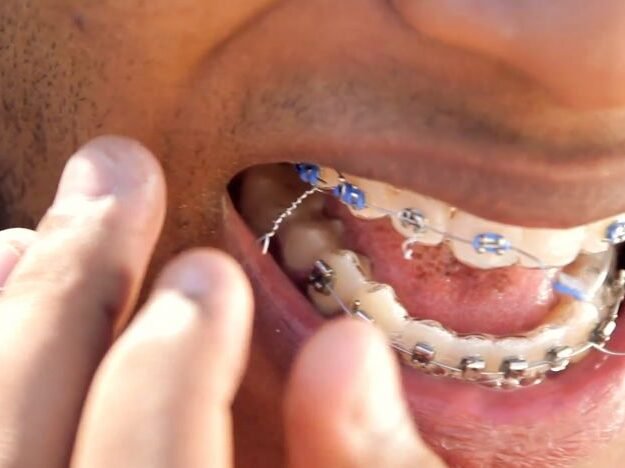
How to Handle Metal Braces Emergencies at Home
Wearing braces requires some patience and careful daily attention. Occasionally, unexpected issues happen during your long orthodontic journey. Specifically, you might experience a broken bracket or a poking wire. Naturally, these sudden problems cause panic and anxiety for many patients. However, you can fix most minor issues yourself safely. In this comprehensive guide, we explain exactly how to handle metal braces emergencies at home. Ultimately, this knowledge saves you time and reduces your unnecessary stress significantly.
Identifying a True Orthodontic Emergency
First, you must understand what constitutes a true dental emergency. Actually, very few orthodontic problems require immediate, urgent medical attention. For example, severe trauma to your face or mouth is a real emergency. Furthermore, unmanageable bleeding or severe swelling needs urgent professional care. If you experience these severe symptoms, visit an emergency room immediately.
Conversely, most common braces issues only require simple first aid. Therefore, you do not need to panic over a loose wire. Instead, you can manage these minor annoyances at home safely. Afterward, you simply call your orthodontist during regular clinic business hours.
Managing a Loose or Broken Bracket
Undeniably, broken brackets represent the most common orthodontic issue. Usually, this happens when you eat hard, crunchy, or sticky foods. Specifically, the bracket detaches from your tooth enamel completely. However, it usually remains attached safely to the main archwire.
First, do not try to pull the loose bracket off the wire. Instead, use a pair of clean tweezers very gently. Then, slide the bracket along the wire to a comfortable position. Next, cover the loose bracket completely with orthodontic wax. Consequently, the wax prevents the metal from scratching your inner cheek. Finally, call your clinic to schedule a repair appointment soon.
Dealing With a Poking Archwire
Sometimes, the main archwire slides out of its correct place. As a result, the sharp end pokes the back of your cheek. Understandably, this causes significant pain and annoying mouth sores. Fortunately, you can solve this annoying problem very quickly.
First, find a clean cotton swab or a clean pencil eraser. Next, use the eraser to push the wire gently against your tooth. If the wire bends flat, it will stop poking your cheek. Alternatively, you can cover the sharp end with a large ball of wax. Overall, this temporary fix provides immediate relief until you see your doctor.
Cutting a Broken Wire Safely
Occasionally, pushing the wire flat does not work at all. In rare cases, the wire actually snaps in half completely. If this happens, you might need to cut the wire yourself. However, you must perform this step with extreme caution.
First, sterilize a pair of small fingernail clippers with rubbing alcohol. Next, place a tissue inside your mouth behind the broken wire. Consequently, the tissue catches the small metal piece safely. Then, clip the wire cleanly behind the last attached bracket. Always, apply orthodontic wax over the cut end to protect your delicate gums.
Fixing Loose Elastic Ligatures
Besides wires and brackets, the small rubber bands sometimes fail. Specifically, these tiny bands hold the wire inside the metal bracket. Sometimes, they pop off while you brush your teeth vigorously. If you find the rubber band, you can try replacing it.
Simply, use sterile tweezers to stretch the band over the bracket corners. However, do not force it if you feel any strong resistance. Actually, missing one tiny rubber band rarely affects your overall treatment progress. Therefore, you can usually wait until your next regular adjustment appointment.
Soothing Orthodontic Pain and Soreness
Naturally, you will experience general soreness after routine adjustment visits. Because your teeth are moving, they will feel quite tender. However, this normal soreness does not qualify as a true emergency. Instead, you can manage this discomfort easily at home.
First, take over-the-counter pain relievers like ibuprofen or acetaminophen. Always, follow the exact dosage instructions on the medicine bottle. Additionally, eat only soft foods like soup or mashed potatoes. Furthermore, drinking ice water numbs your sore gums beautifully. Eventually, this temporary pain fades completely within a few days.
Treating Mouth Sores and Cuts
Initially, the rough metal parts might rub against your soft cheeks. Consequently, you might develop small, painful mouth ulcers. To fix this, you must rinse your mouth with warm salt water. Simply, dissolve half a teaspoon of salt into a glass of warm water.
Then, swish the liquid around your mouth for one full minute. Actually, the salt heals the small cuts rapidly and kills harmful bacteria. Furthermore, you must apply wax over the brackets causing the irritation. Over time, your inner cheeks will toughen up naturally and resist cuts.
When to Contact Your Orthodontist
Crucially, you must report all breakages to your doctor promptly. Even if you fix the issue at home, the doctor must know. For instance, a broken bracket stops that specific tooth from moving. If you wait too long, your overall treatment timeline will increase.
Therefore, always call the clinic on the next available business day. Then, explain the exact problem to the receptionist clearly. Consequently, the staff will schedule adequate time to repair your hardware properly. Ultimately, excellent communication keeps your orthodontic journey on track perfectly.
Stay Calm and Protect Your Smile
In summary, handling braces emergencies requires a calm and logical approach. Usually, a little orthodontic wax and some patience solve most common problems. Are you experiencing a severe orthodontic issue that requires professional help? If yes, contact Dr. Nourhan Daif immediately for expert guidance. Together, you can fix the problem and protect your beautiful future smile.