

Metal Braces vs. Clear Aligners: Which is Better?
Choosing the right orthodontic treatment feels overwhelming sometimes. Indeed, modern dentistry offers several amazing options for your smile. Specifically, patients usually compare two main choices. Namely, they compare metal braces vs clear aligners. Are you wondering which option suits you best? If so, you are in the exact right place. In this comprehensive guide, we break down both treatments completely. Furthermore, we explore every single daily lifestyle factor. Ultimately, this clear comparison helps you make an educated, confident decision.
Understanding Traditional Metal Braces
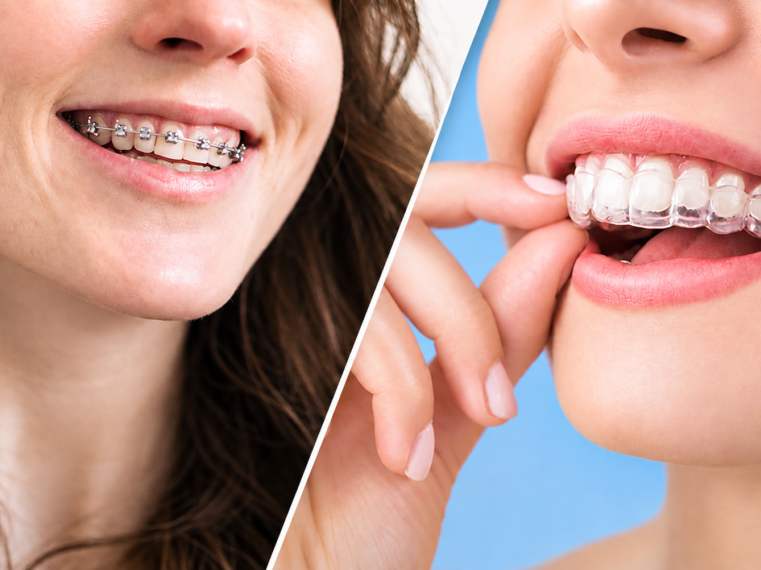
First, let us look closely at traditional braces. Basically, orthodontists attach small stainless steel brackets directly to your teeth. Next, they thread a flexible metal wire through these sturdy brackets. Then, tiny elastic bands hold everything tightly together.
Over time, this connected system applies continuous pressure to your teeth. Consequently, this steady pressure moves your teeth into their perfect positions. Today, modern metal brackets look much smaller and sleeker than older versions. Furthermore, they offer incredible strength and reliability during your entire treatment. Also, the metal materials resist breaking perfectly under normal daily pressure.
Understanding Clear Aligners
On the other hand, clear aligners offer a completely different mechanical approach. Instead of wires, you wear transparent plastic trays over your teeth. Typically, your orthodontist takes a digital 3D scan of your mouth. Next, a special laboratory creates a long series of custom-made trays.
Every two weeks, you switch to the next tray in the series. Gradually, each new plastic tray shifts your teeth slightly further. Most importantly, you can remove these trays whenever you want. Consequently, this modern approach offers incredible flexibility for daily life. Indeed, they utilize highly advanced technology to plan your perfect smile.
Comparing Treatment Effectiveness
Naturally, treatment effectiveness remains your absolute biggest concern. When comparing metal braces vs clear aligners, traditional braces usually win for complex cases. Specifically, traditional braces provide maximum control over specific tooth movements. Therefore, they easily fix severe crowding, huge gaps, and major bite issues.
Additionally, orthodontists can adjust the metal wires instantly during your routine visits. Conversely, clear aligners work best for mild to moderate dental problems. If you have severe jaw alignment issues, your orthodontist might only recommend traditional braces. Ultimately, your specific clinical diagnosis dictates the most effective treatment method.
Aesthetics and Daily Appearance
Undeniably, aesthetics play a massive role in this personal decision. Here, clear aligners hold a huge and obvious advantage. Actually, the clear plastic material becomes almost completely invisible over your teeth. Consequently, many adults prefer aligners for formal professional environments. Furthermore, you can take photos without flashing any metal hardware.
However, metal braces remain highly visible every time you smile or speak. Yet, younger patients often enjoy picking fun colors for their rubber bands. Ultimately, you must decide exactly how much appearance matters to your daily lifestyle.
Comfort and Daily Convenience
Next, we must evaluate daily comfort carefully. Initially, both options cause some mild soreness and irritation. Because your teeth are actively moving, you will feel pressure regardless of the method. However, clear aligners feel much smoother against your inner cheeks. Specifically, the custom plastic features no sharp edges or protruding parts.
Alternatively, metal brackets sometimes scratch your soft mouth tissues initially. To fix this, braces patients use special orthodontic wax for protection. Over time, your mouth builds a natural tolerance to the metal parts. Overall, clear aligners generally provide a slightly more comfortable daily experience.
Diet and Eating Habits
Crucially, your daily diet changes significantly with traditional braces. Specifically, you must avoid hard, sticky, and crunchy foods completely. For example, biting into whole apples or chewing sticky caramel causes major damage. Otherwise, you will break your brackets and delay your overall progress.
Conversely, clear aligners offer total and complete dietary freedom. Simply, you remove the plastic trays before every single meal. Therefore, you can still eat popcorn, nuts, and chewy candies safely. After eating, you just brush your teeth and put the trays back. Indeed, this freedom makes aligners incredibly popular among food lovers.
Cleaning and Oral Hygiene
Maintaining excellent oral hygiene requires very different strategies for each option. With braces, brushing and flossing require extra time and special tools. Specifically, you must navigate carefully around the metal wires and brackets. Therefore, you need special tiny brushes and floss threaders daily.
Conversely, aligners make oral hygiene incredibly simple and easy. Because you remove them, you brush and floss your natural teeth normally. However, you must also clean the plastic trays thoroughly every single day. Otherwise, the clear plastic becomes cloudy, yellow, and smells quite bad. Thus, both options require a solid commitment to cleanliness.
Patient Compliance and Discipline
Furthermore, you must seriously consider your own personal discipline. Basically, traditional braces stay glued firmly to your teeth 24/7. Therefore, they work constantly without any extra effort from you.
On the other hand, clear aligner success depends entirely on your compliance. Specifically, you must wear the trays for 22 hours every single day. If you forget to wear them, your treatment fails completely. Consequently, teenagers often achieve better results with traditional braces. Ultimately, you must answer honestly if you will remember to wear the trays.
Cost and Insurance Considerations
Additionally, the total cost greatly influences your final decision. Generally, traditional metal braces cost less than clear aligner systems. Specifically, the advanced 3D printing technology makes aligners more expensive to produce. Moreover, you might lose a plastic tray and need a costly replacement.
However, many dental insurance plans cover both treatments equally now. Therefore, you should check your specific insurance benefits carefully beforehand. Also, many orthodontic clinics offer flexible monthly payment plans. Consequently, both treatments fit into most family budgets quite easily.
Speech and Pronunciation Adjustments
Finally, we must discuss potential speech changes during your treatment. Initially, both options affect how you pronounce certain words. With aligners, the extra plastic thickness might cause a slight lisp. Usually, this minor speech issue disappears after a few days.
Conversely, metal braces change how your lips rest against your teeth. Therefore, you might speak a bit differently during the first week. Fortunately, your tongue and lips adapt quickly to either orthodontic appliance. Ultimately, speech changes remain completely temporary and highly manageable.
Make Your Final Decision
In summary, both treatments create beautiful, perfectly healthy smiles. Ultimately, the choice between metal braces vs clear aligners depends on your specific needs. Are you ready to transform your smile safely and effectively? If yes, book a consultation with Dr. Nourhan Daif today. Together, you can evaluate your teeth and choose the perfect orthodontic solution.